 老爹首頁
老爹首頁 聯絡店家
聯絡店家

耀昀創意設計


設計作品:0個 0張圖片
局部費用:
設計費用:
接案地區:基隆市、台北市、新北市、桃園市、新竹市、新竹縣
公司地址:台北市萬華區莒光路231號
服務專線:02-23042126
服務項目
- 室內設計,室內設計公司,台北室內設計,台北室內設計公司,萬華室內設計,萬華室內設計公司,商空設計,商業空間設計,台北商空設計,台北商業空間設計,萬華商空設計,萬華商業空間設計,商辦設計,商辦裝修,台北商辦設計,台北商辦裝修,萬華商辦設計,萬華商辦裝修,辦公室裝修,辦公室設計,台北辦公室裝修,台北辦公室設計,萬華辦公室裝修,萬華辦公室設計,店面設計,店面裝潢,台北店面設計,台北店面裝潢,萬華店面設計,萬華店面裝潢,納骨塔設計,台北納骨塔設計,萬華納骨塔設計,律師事務所設計,台北律師事務所設計,萬華律師事務所設計,咖啡廳設計,台北咖啡廳設計,萬華咖啡廳設計,小酒吧設計,台北小酒吧設計,萬華小酒吧設計,廠房設計,台北廠房設計,萬華廠房設計,茶藝館設計,台北茶藝館設計,萬華茶藝館設計,室內設計推薦,台北室內設計推薦,萬華室內設計推薦,住宅設計,台北住宅設計,萬華住宅設計,小宅設計,台北小宅設計,萬華小宅設計,居家裝潢,居家設計,台北居家裝潢,台北居家設計,萬華居家裝潢,萬華居家設計,空間規劃,台北空間規劃,萬華空間規劃,預售屋客變,台北預售屋客變,萬華預售屋客變,樣品屋客變,台北樣品屋客變,萬華樣品屋客變,毛胚屋設計,毛胚屋規劃,台北毛胚屋設計,台北毛胚屋規劃,萬華毛胚屋設計,萬華毛胚屋規劃,室內裝潢,台北室內裝潢,萬華室內裝潢,空間設計,台北空間設計,萬華空間設計,老屋翻新,老屋改造,台北老屋翻新,台北老屋改造,萬華老屋翻新,萬華老屋改造,舊屋翻新,舊屋改造,台北舊屋翻新,台北舊屋改造,萬華舊屋翻新,萬華舊屋改造,透天裝潢,台北透天裝潢,萬華透天裝潢,裝修工程,台北裝修工程,萬華裝修工程,局部翻修,台北局部翻修,萬華局部翻修,
特別關鍵字
本網站僅提供設計老爹資訊參考平台, 並不涉入其中任何諮詢、交易。本網站對各該設計老爹相關資訊亦不作任何實質或形式上之審查。本網站中所載一切設計老爹的資訊、文字、照片、圖形 、產權、廣告內容、或其他資料(以下簡稱『內容』)。無論其為公開張貼或私下傳送,若有不實或違法情事,均為『內容』提供者之責任,設計老爹概不負責也不承擔任何法律責任。
免責聲明
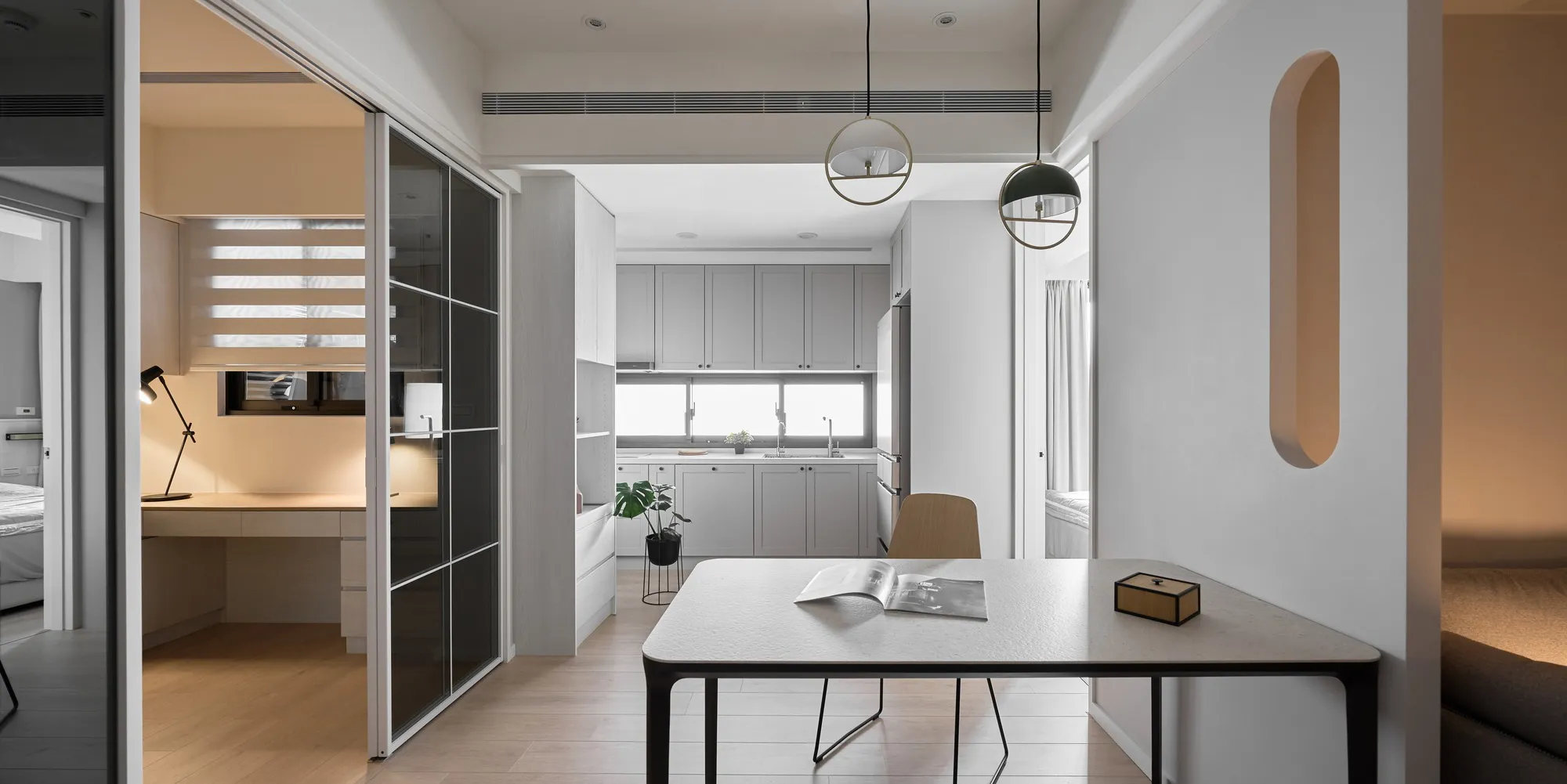
紐澳建築師眼中的北歐風|台灣住宅設計完整指南 2026
紐澳建築師眼中的北歐風|台灣住宅設計完整指南 2026
耀昀創意設計|Alfonsoideas Creative Design 🏆 2019 A' Design Award Italy|2007 Waikato Residential Design Award NZ Silver
北歐設計在台灣很流行,但真正被理解的並不多。
很多人以為北歐風就是「白牆 + 木地板 + 幾盆植物」,但這只是它的外表。耀昀創意設計擁有紐西蘭與澳洲的建築養成背景,長期觀察北歐設計在南半球不同氣候條件下的演化——在充沛的日照環境裡,同樣的北歐哲學長出了截然不同的樣子:更溫潤、更與自然連結、更重視室內外的呼吸感。
這篇文章想說清楚的,不是北歐風「要用什麼顏色」,而是它背後的邏輯:為什麼它適合台灣、適合老屋、以及為什麼它能讓人住得真正自在。
一、北歐設計的本質:不是風格,是應對氣候的智慧
很多人把北歐風理解成「白牆 + 木地板 + 幾盆植物」,這是表象,不是根本。北歐設計之所以長成今天這個樣子,是因為北歐人活在一個極端的氣候條件下——冬天漫長、日照短暫,一年有幾個月幾乎看不到太陽。
在這樣的環境下,室內空間必須做到兩件事:最大化採光,以及創造溫暖感。所有的北歐設計元素——淺色牆面、大面窗、木質材料、軟裝層次——都是這兩個目標的具體實現。
「北歐設計不是關於白色,而是關於讓光活在空間裡。白色只是達到這個目的的手段之一。」 — 耀昀創意設計
紐澳視角
在紐西蘭和澳洲,北歐設計被重新詮釋:因為南半球陽光充足,設計師往往選擇「溫潤白」而非純白,並將室內外連結視為核心——大型開窗、戶外延伸空間、自然材質的連貫性。帶著這樣的觀察回到台灣,耀昀對「北歐風台灣版」的理解有了根本的轉變。
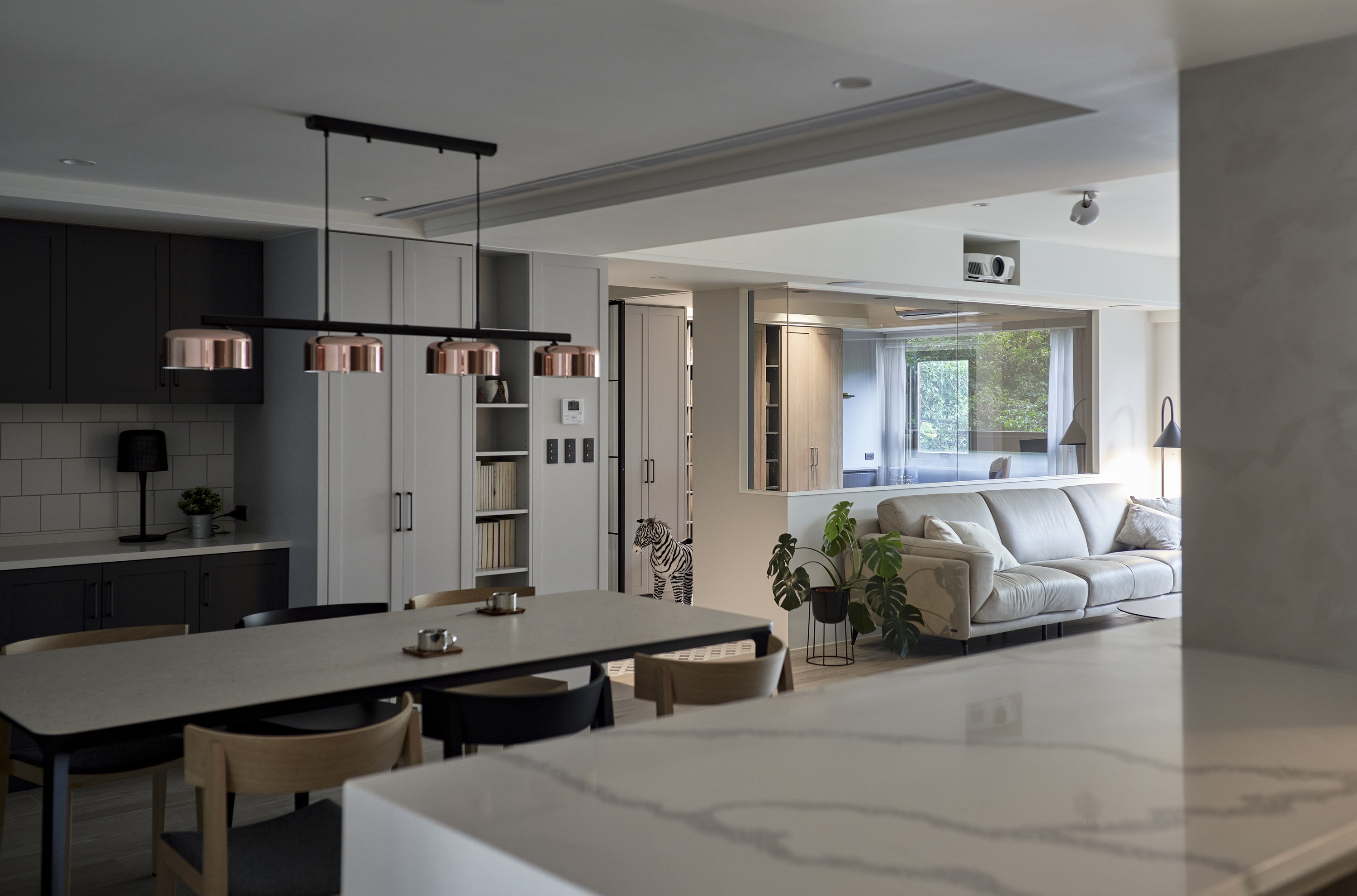
二、北歐風在台灣的5大在地化原則
原則1:用「溫潤白」取代「純白」
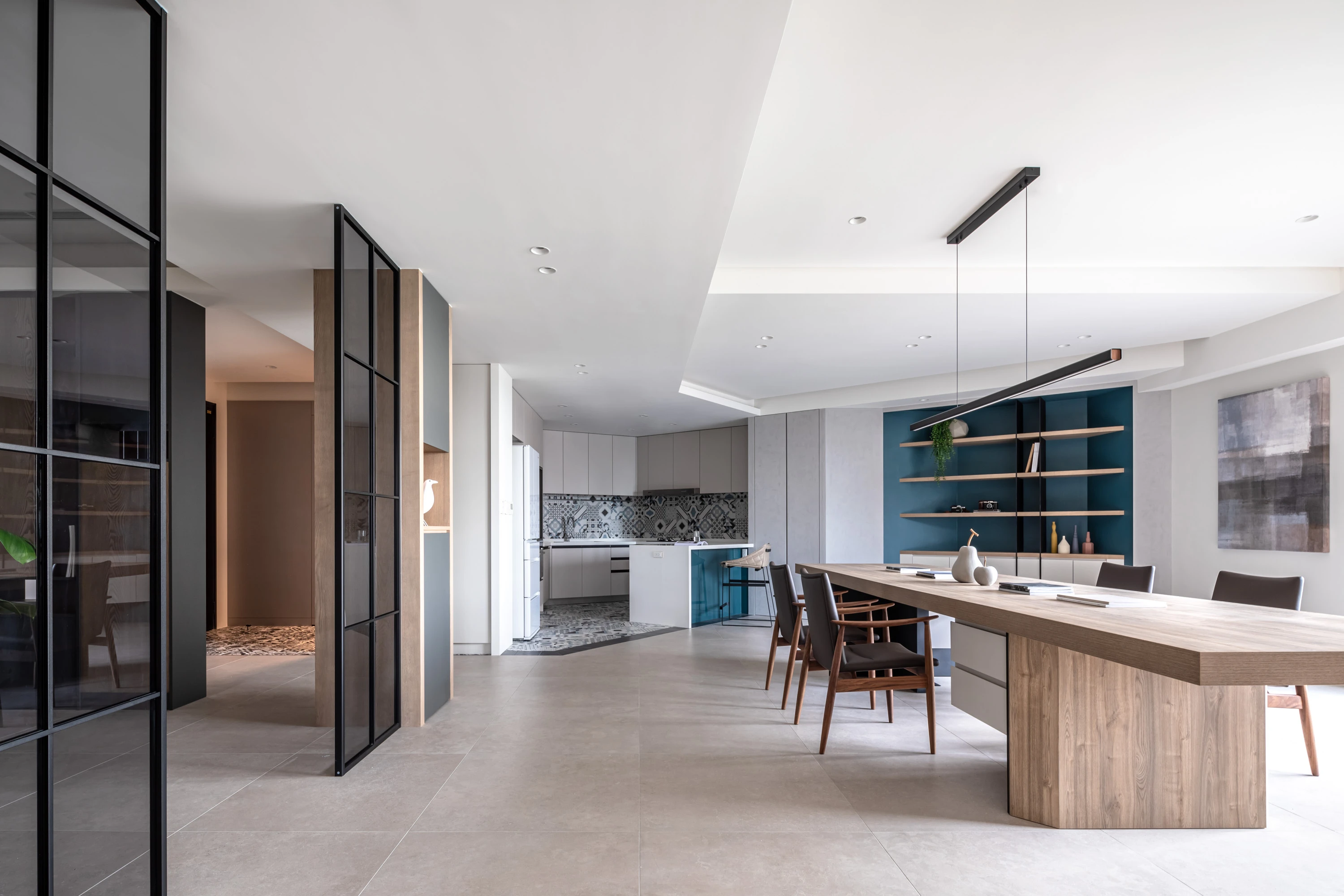
台灣日照強,純白牆面在午後陽光下會過度刺眼。建議用米白、暖灰、奶茶色等暖調中性色,既保留北歐的清爽感,又不失台灣居家的溫度。
原則2:木材選擇要考量防潮
台灣氣候溼熱,北歐風常用的實木地板在台灣容易膨脹變形。建議兩個替代方向:
超耐磨木地板:表面紋理仿真度高、耐磨耐潮、好維護,是台灣北歐風住宅最常見的選擇。選色建議挑淺木色或灰白橡木紋,避免過深的胡桃色——深色地板雖然質感強,但會吃掉北歐風需要的空間明亮感。
木紋磚:適合廚房、衛浴、陽台等潮濕區域,或不喜歡地板縫隙的屋主。現代木紋磚的仿真度已非常高,鋪設後同樣能達到北歐空間的木質溫潤感,且清潔維護比木地板更輕鬆。
北歐風的空間基本上都會有木地板的視覺感——不論是超耐磨或木紋磚,這個元素幾乎是必要的。它讓腳踩下去的那一刻,空間的溫度就對了。
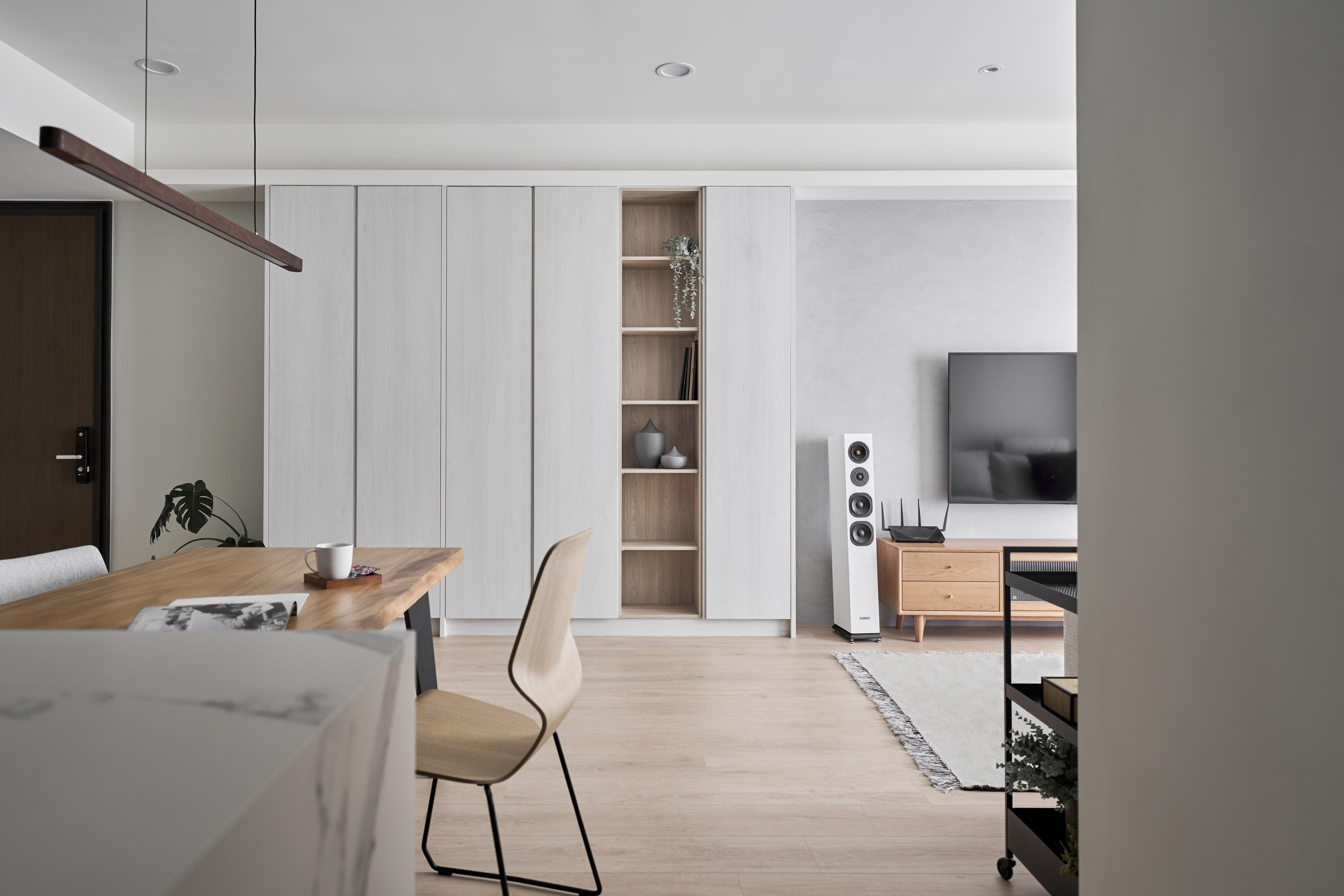
原則3:收納是台灣北歐風的靈魂
台灣家庭的物品量遠超過北歐家庭,直接套用北歐的「極簡留白」很容易變成「雜物外露」。解決方案是北歐風的精髓:隱藏式收納,讓一切「藏好」之後,留白才有意義。
原則4:照明有不同屬性,北歐風需要三者並存
北歐風的光線不是「把空間照亮」這麼簡單,而是善用三種不同屬性的照明,讓空間在不同情境下呈現不同的氛圍層次。
環境光(Ambient Light) 空間的基礎照明,提供整體亮度。北歐風偏好用漫射光來呈現環境光——例如半透明燈罩的吊燈、嵌燈搭配擴散板,讓光線均勻散開而不產生強烈陰影。色溫建議 3000K,維持空間的溫潤感。
投射光(Accent / Spot Light) 北歐空間很重視投射光的運用——用軌道燈或嵌入式投射燈,將光線打在木質牆面、藝術掛畫、植栽或建材紋理上,讓這些元素的質感在光影中浮現出來。投射光的存在,讓空間有了「重點」和「層次」,不會平板單調。色溫可拉到 3000–3500K,讓投射效果更立體。
自然採光(Natural Light) 北歐設計的靈魂。窗戶是北歐空間最重要的設計元素之一——盡可能讓自然光進入,並且讓它在一天之中「移動」。窗簾建議選薄紗或蜂巢簾,讓光能進來但不直射。台灣的老公寓普遍採光不足,在格局規劃階段就要優先考慮如何引入自然光,這往往比選建材更重要。
三種光同時存在,相互搭配,才是真正的北歐照明邏輯。
原則5:植栽是最便宜的北歐元素
北歐冬季植物稀少,室內植栽因此成為帶入生命感的重要方式。在台灣氣候下植物更容易生長,一盆龜背芋或黃金葛,就能讓空間從「平面」變成「有呼吸」的狀態。
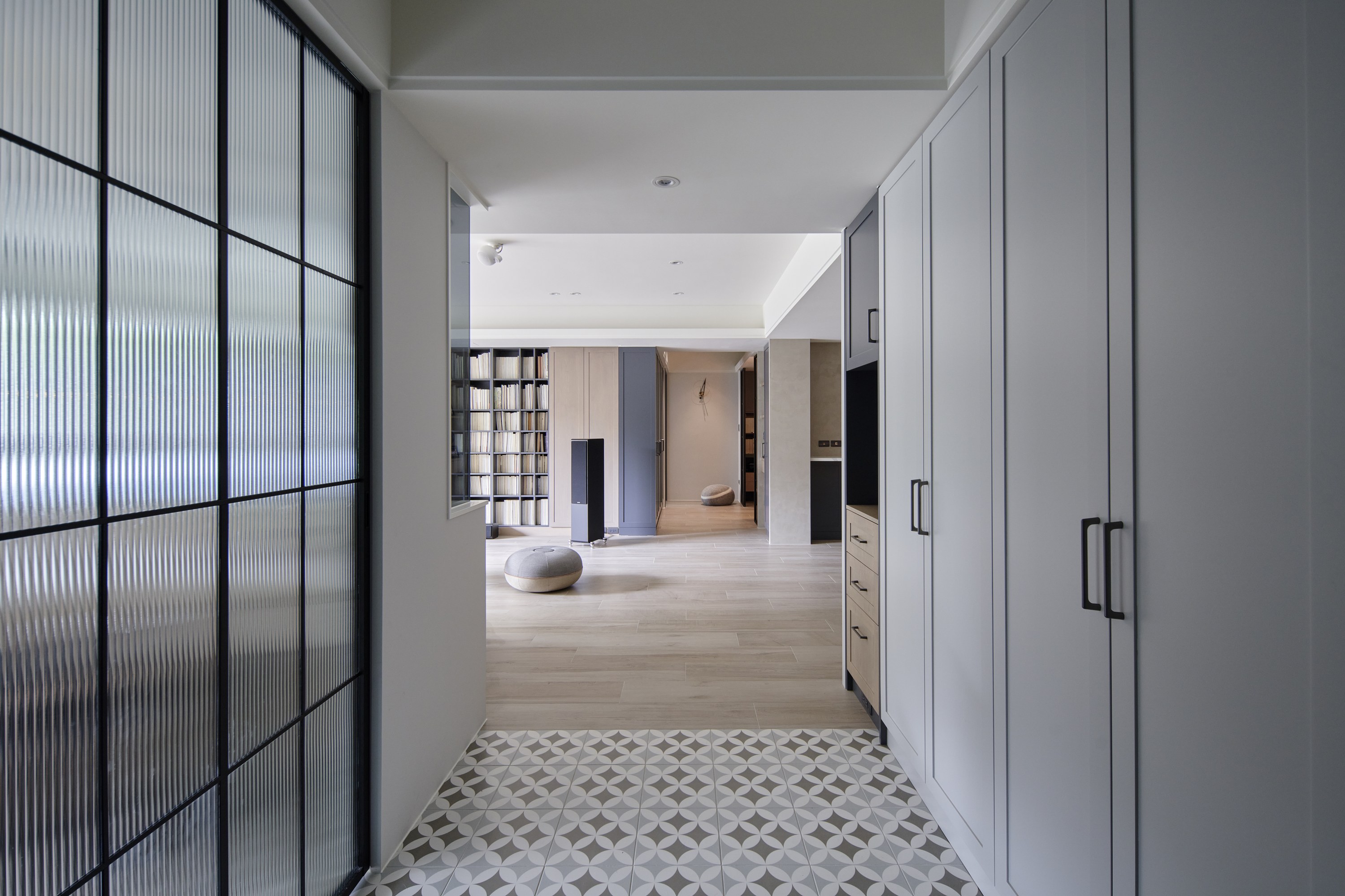
三、讓空間從「好看」變成「想住」
北歐空間的氛圍感,來自多個細節同時到位——不是單一元素的功勞,而是整體搭配後自然產生的結果:
| 元素 | 做法 |
|---|---|
| 🕯️ 暖調燈光 | 色溫建議 3000–3500K,帶投射效果,多光源層次為主,避免冷白螢光燈 |
| 🪵 木質觸感 | 木頭的觸感和氣味在潛意識中建立安全感,實木家具的重量感讓空間有溫度 |
| 🧶 布質軟件層次 | 毛毯、抱枕、地毯提供視覺和觸覺的「柔軟度」,讓硬裝空間變得宜居 |
| 🪟 自然光的流動 | 薄紗或蜂巢簾讓光進來但不直射,光線在一天中的「移動」本身就是空間的一部分 |
| 🌿 室內植栽 | 帶入生命感,讓空間「呼吸」 |
關於北歐風的跳色
北歐風並非全然沒有顏色,但它的用色邏輯和一般人想像的不同。
北歐空間偶爾會出現跳色——一面牆刷成霧霾藍、一張椅子選了磚紅、一條抱枕用了芥末黃——但這些顏色有一個共同特質:全部都是「弱色」。
所謂弱色,是指彩度低、明度柔和、帶有灰調的色系。它們不搶眼、不強勢,放進空間裡像是配角,讓主角(光線、木材、留白)繼續主導,自己安靜地增添一點溫度和個性。
這也是北歐風「耐看」的原因——跳色存在,但從不喧賓奪主。你住久了還是覺得舒服,而不是某天突然覺得「這個顏色好累」。
常見的北歐弱色跳色選擇:
- 霧霾藍(Dusty Blue)
- 鼠尾草綠(Sage Green)
- 煙燻粉(Dusty Pink)
- 芥末黃(Mustard Yellow)——需謹慎,比例不宜過多
- 磚陶紅(Terracotta)
這些顏色的共同點:加了大量灰,讓彩度退到「剛好存在」的程度。
綠色植栽:北歐風最重要的生命元素
如果說木材是北歐空間的骨架,植栽就是它的呼吸。
北歐冬季漫長,戶外幾乎看不到綠意,室內植栽因此成為「帶入自然」最直接的方式。這不只是裝飾,而是一種心理上的需求——讓空間裡有「活著的東西」,整個環境的氛圍就會截然不同。
在台灣做北歐風,植栽條件比北歐本地更好:氣候適合植物生長,選擇也更多元。幾個適合北歐風空間的常見植栽:
- 龜背芋:葉形飽滿有個性,是最具北歐氣質的室內植物
- 橡皮樹(深綠或酒紅葉):質感沉穩,適合現代北歐
- 虎尾蘭:線條俐落,耐陰好養,適合光線較弱的角落
- 懸掛植物(黃金葛、愛之蔓):從層板或吊籃垂下,增加空間層次
- 小型苔球或盆栽組合:桌面陳設,帶入精緻的自然感
植栽的盆器選擇同樣重要——素面陶盆、水泥盆、藤編籃與北歐風最搭,避免過於花俏的彩色塑膠盆。
色彩和諧感:北歐風配色的核心邏輯
北歐風的配色不是「選幾個喜歡的顏色搭在一起」,而是講求整個空間的色彩和諧感——所有顏色在同一個「色調系統」裡共存,不打架、不突兀。
北歐風配色的三層結構:
底色(60%):暖白、米白、淺灰——牆面、天花板、大面積地板。這是空間的底,要夠淺、夠靜。
主色(30%):木色、亞麻色、淺石色——家具、門片、系統櫃。和底色相近但有質感差異,提供層次感而不製造衝突。
點綴色(10%):弱色跳色——抱枕、毛毯、小件家具、植栽盆器。這10%決定空間的個性,但不能超過這個比例,否則和諧感就會崩潰。
關鍵原則:所有顏色的「色調溫度」要一致。 暖調底色就搭暖調點綴(芥末黃、磚陶紅、奶油白);冷調底色就搭冷調點綴(霧霾藍、鼠尾草綠、煙燻粉)。冷暖混搭是北歐風配色最常見的失誤。
四、北歐風 vs 日式風:有什麼不同?
台灣市場上最常被混淆的兩個風格就是北歐風和日式風,兩者看起來都「很簡約」,但背後的哲學完全不同。
| 比較面向 | 北歐風 | 日式風 |
|---|---|---|
| 哲學起源 | 抵禦嚴冬的實用主義 | 侘寂(wabi-sabi)美學 |
| 對「空」的態度 | 留白是讓光活動的舞台 | 空即是美本身 |
| 色調 | 暖白、木色、柔和色點綴 | 灰、米、土色,極度克制 |
| 軟裝 | 豐富——毛毯、抱枕、植栽 | 極少,甚至不放 |
| 家具線條 | 有機曲線 + 功能主義 | 直線幾何,近乎無裝飾 |
| 空間感受 | 溫暖、舒適、有生活感 | 靜謐、冥想感、禪意 |
Japandi(日北混合風):結合北歐的溫暖與日式的克制,是目前台灣市場接受度最高的當代風格。
五、北歐風與老屋翻新:為什麼特別適合?
台北有大量建齡超過30年的老公寓,普遍面臨:採光不足、格局零碎、收納不夠、管線老化。這些問題和北歐設計想要解決的困境高度重疊——老屋是北歐風最能發揮的舞台。
在台北萬華深耕老屋翻新超過 15 年的經驗中,耀昀發現一個規律:
- 淺色牆面讓空間視覺上放大 30–40%
- 隱藏式收納解決了台灣老屋普遍「東西放不下」的痛點
- 木質建材覆蓋了原有的陳舊瑕疵,帶來全新的空間質感
案例:溯回靜默 | Return to Stillness — 25坪單身小宅
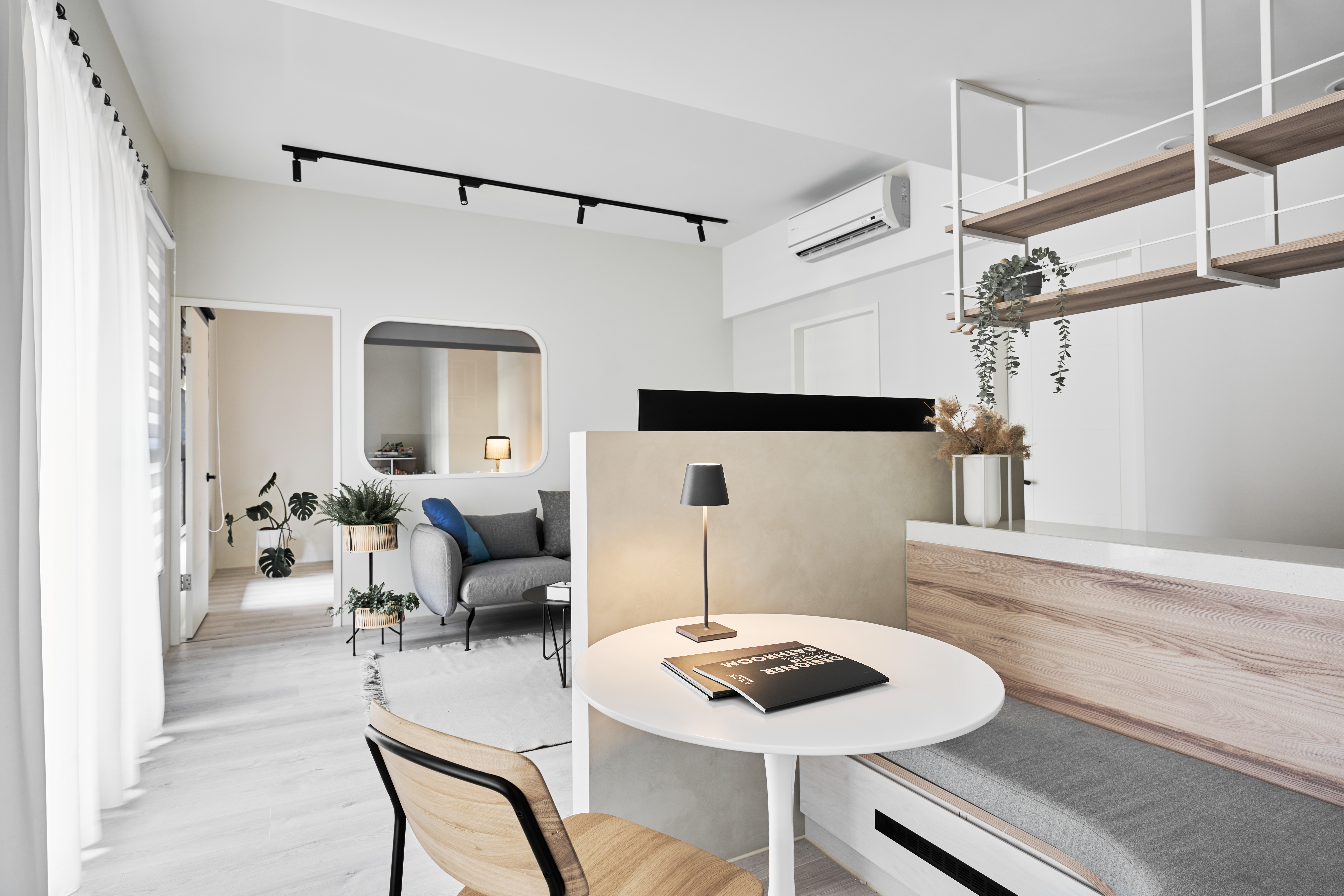
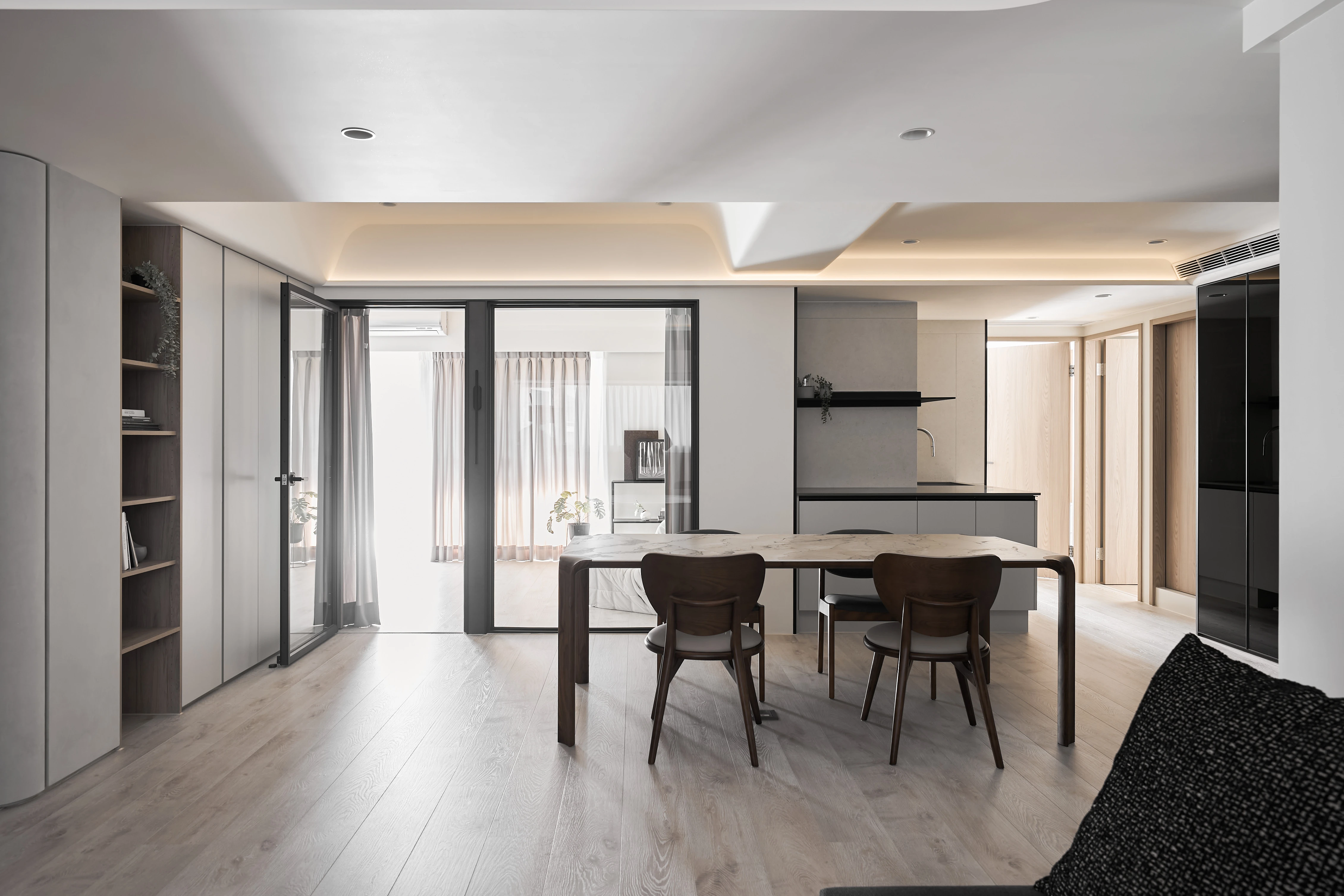
台北 25 坪單身住宅,屋主希望在城市中找到屬於一個人的靜謐角落。以北歐風為基底,融入 Japandi 的沉靜元素——深色石材牆面製造「重量感」,對比白色天花板與木質地板的輕盈;間接照明取代主燈,讓空間在不同時段呈現不同的光影層次;全室隱藏收納確保視覺留白,讓 25 坪在視覺上超越坪數限制。
案例規格: 25坪・單身宅・北歐×Japandi・台北・全室隱藏收納・間接照明
六、常見問題 FAQ
Q:北歐風和台灣的居住環境合適嗎?
非常適合,但需要在地化調整。北歐風的核心是「採光最大化、自然材質、機能優先」,這些原則在台灣同樣成立。台灣氣候溼熱,木材要注意防潮;台灣舊公寓採光較差,更需要北歐的淺色牆面策略;台灣家庭收納需求高,北歐的隱藏式收納系統特別對應這個需求。
Q:北歐風室內設計一定要用白色嗎?
不一定。純白源自北歐冬季日照短、需要反射光線的氣候邏輯。但在台灣日照充足的環境下,米白、暖灰、淺木色等「溫潤白系」效果往往更好,不會因強烈日照而顯得刺眼,住久了也更耐看。
Q:台灣老屋適合做北歐風設計嗎?
老屋非常適合北歐風:留白哲學化解老屋格局零碎的問題;木質建材覆蓋老屋瑕疵同時帶來溫潤質感;隱藏收納解決老屋儲藏空間不足的痛點。北歐風是讓老屋「煥然一新卻不失溫度」最有效的風格方向。
Q:北歐風和日式風格有什麼不同?
兩者都簡約,但本質不同:北歐風偏溫暖、有生活感,善用軟裝、燈光、植栽堆疊空間的舒適感;日式風格偏冷靜、禪意,強調「減法美學」。Japandi(日北混合風)融合兩者,是目前台灣市場接受度最高的當代風格。
Q:北歐風設計需要很高的預算嗎?
北歐風是相對親和的風格——美感來自比例、光線、材質,而非昂貴建材堆疊。掌握留白比例、自然採光、木質元素三個核心,即使有限預算也能打造有說服力的北歐風空間。
關於耀昀創意設計
耀昀創意設計有限公司 Alfonsoideas Creative Design
擁有紐西蘭、澳洲建築設計養成背景,深耕台北萬華老屋翻新超過15年。 具備日本木造合作經驗,提供中英雙語服務,歡迎海外回台屋主諮詢。
🏆 2019 A' Design Award Italy(居住空間類) 🏆 2007 Waikato Residential Design Award NZ Silver
預約諮詢
想把北歐風帶進你的家?
💬 Line:@alfonsoid 📞 02-2304-2126 🌐 www.alfonsoideas.com 📍 台北市萬華區
免費初步諮詢・英語服務可接待海外回台屋主
紐澳建築師眼中的北歐風
台灣住宅設計完整指南
Nordic Design Through a
New Zealand Architect's Eyes
Thomas 設計師・耀昀創意設計
2026年6月
A' Design Award 得主
UNSW Sydney 建築碩士
第一次接觸北歐設計,是在奧克蘭大學念建築的時候。教授拿出一本丹麥建築師 Arne Jacobsen 的作品集,指著那張 Egg Chair 說:「這就是用最少的形式,裝下最多的人性。」那一句話讓我記了二十年。
後來我去澳洲 UNSW 讀研究所,在雪梨和布里斯本的工作室裡,看到北歐風格如何被南半球的陽光重新詮釋——它不再只是白牆和 IKEA,而是一種關於「如何好好生活」的空間哲學。
回到台灣、在台北萬華深耕老屋翻新超過 15 年之後,我想寫這篇文章——不是要告訴你北歐風「要用什麼顏色」,而是要說清楚它背後的邏輯:為什麼它適合台灣、適合老屋、以及為什麼它能讓人住得真正自在。
01
北歐設計的本質:不是風格,是應對氣候的智慧
Scandinavian Design Origins — Why It Was Born
很多人把北歐風理解成「白牆 + 木地板 + 幾盆植物」,這是表象,不是根本。北歐設計之所以長成今天這個樣子,是因為北歐人活在一個極端的氣候條件下——冬天漫長、日照短暫,一年有幾個月幾乎看不到太陽。
在這樣的環境下,室內空間必須做到兩件事:最大化採光,以及創造溫暖感。所有的北歐設計元素——淺色牆面、大面窗、木質材料、軟裝層次——都是這兩個目標的具體實現。
「北歐設計不是關於白色,而是關於讓光活在空間裡。白色只是達到這個目的的手段之一。」
在紐西蘭和澳洲,北歐設計被重新詮釋:因為南半球陽光充足,設計師往往選擇「溫潤白」而非純白,並將室內外連結視為核心——大型開窗、戶外延伸空間、自然材質的連貫性。這個觀念帶回台灣之後,讓我對「北歐風台灣版」的理解產生了根本的轉變。
02
北歐風在台灣的5大在地化原則
Adapting Scandinavian Design to Taiwan's Context
03
Hygge:讓空間從「好看」變成「想住」
The Danish Concept of Cosy Living
Hygge(唸作 HOO-gah)是丹麥語,沒有直接對應的中文翻譯。它描述的是一種感覺——當你坐在沙發上,外面在下雨,你手捧一杯熱茶,身旁有你喜歡的人或一本好書,那種從心底升起的溫暖和滿足感,就是 Hygge。
在室內設計裡,Hygge 不是一個可以「安裝」的元素,而是多個細節加在一起之後自然產生的空間氛圍:
04
北歐風 vs 日式風:有什麼不同?
Scandinavian vs. Wabi-Sabi — A Comparison
台灣市場上最常被混淆的兩個風格就是北歐風和日式風,兩者看起來都「很簡約」,但背後的哲學完全不同。
| 比較面向 | 北歐風 | 日式風 |
|---|---|---|
| 哲學起源 | 抵禦嚴冬的實用主義 | 侘寂(wabi-sabi)美學 |
| 對「空」的態度 | 留白是讓光活動的舞台 | 空即是美本身 |
| 色調 | 暖白、木色、柔和色點綴 | 灰、米、土色,極度克制 |
| 軟裝 | 豐富——毛毯、抱枕、植栽 | 極少,甚至不放 |
| 家具線條 | 有機曲線 + 功能主義 | 直線幾何,近乎無裝飾 |
| 空間感受 | 溫暖、舒適、有生活感 | 靜謐、冥想感、禪意 |
| Japandi 混合風 | 結合兩者優點——溫暖的日式極簡,台灣接受度最高 | |
05
北歐風與老屋翻新:為什麼特別適合?
Why Nordic Style Suits Taiwan's Old Apartment Stock
台北有大量建齡超過30年的老公寓,它們普遍面臨相同的問題:採光不足、格局零碎、收納不夠、管線老化。這些問題和北歐設計想要解決的困境高度重疊——換句話說,老屋是北歐風最能發揮的舞台。
在台北萬華深耕老屋翻新超過 15 年,我們發現一個規律:凡是採光條件差的老屋,北歐風的改善效果最顯著。淺色牆面讓空間視覺上放大 30-40%;隱藏式收納解決了台灣老屋普遍「東西放不下」的痛點;木質建材覆蓋了原有的陳舊瑕疵,帶來全新的空間質感。
25坪・單身宅
北歐×Japandi
台北
全室隱藏收納
間接照明
06
關於北歐風,屋主最常問的6個問題
FAQ — Designer's Direct Answers
相關文章
-
人在國外,台灣的房子可以遠端委託設計師裝潢嗎?
2026-06-11
人在國外,台灣的房子可以遠端委託設計師裝潢嗎?
發布分類: 設計知識 / 常見問題
目標讀者: 大陸台商、海外工作者、人在國外但台灣有房子要裝潢的屋主
SEO -
台北老屋翻新完整指南|從評估、規劃到完工,設計師帶你一步步看懂
2026-06-05
台北老屋翻新完整指南|從評估、規劃到完工,設計師帶你一步步看懂
 我要估價
我要估價